

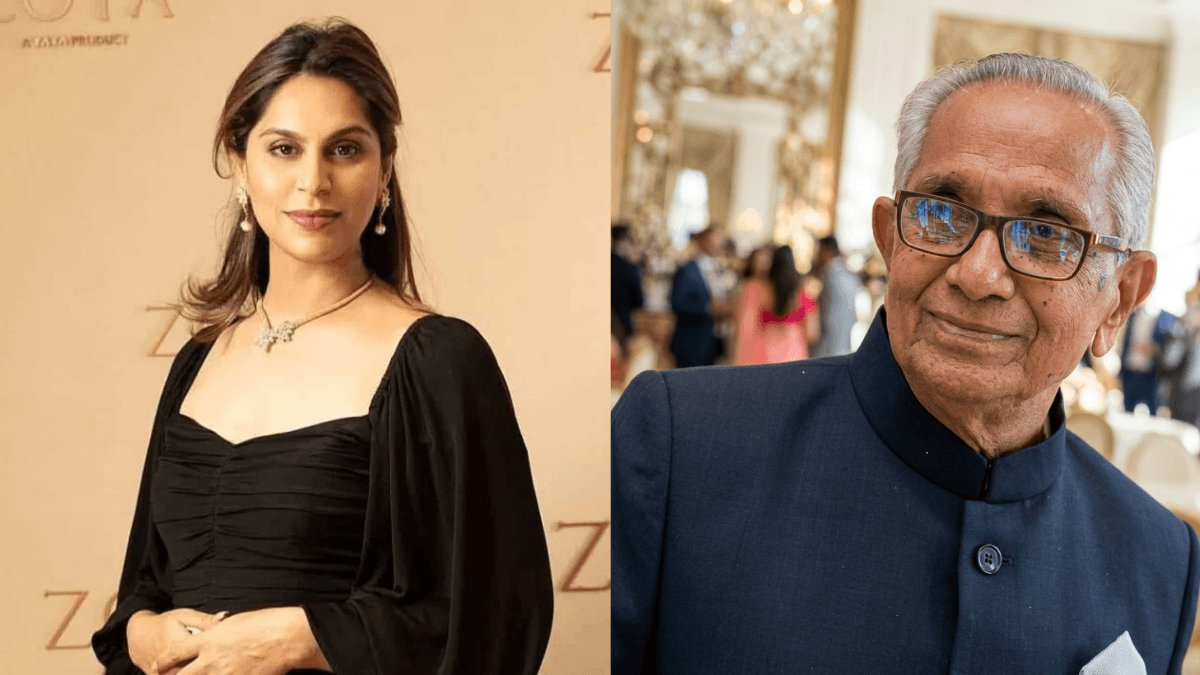
It is much more helpful to see the public life and personal memories of each person through the eyes of Umapathy Kamineni. Born on June 15, 1928, he lived a life associated with administration, poetry, inheritance, his family and important works. As a person and person, his story also reflects the family growing up around him and his young grandchildren.
His choices created resonances that would last through their lives, allowing his influence to ripple outward past his own time. On May 27, 2020, at the age of 91, Umapathy Kamineni will be remembered through his lineage, through his tools, and through the unique parts of his life that together provide stewardship, poetry, legacy, and private relationships .
The Life and Legacy of Umapathy Kamineni
Umapathy Kamineni was known as an Urdu writer and a former Indian Administrative Service official. He connected poetry with bureaucracy and public administration in a way. His career showed the world of the Indian Administrative Service (IAS) where officials work within strict rules and procedures. At the time his writing followed a freer, more musical rhythm.
He had a link to heritage projects especially those involving the restoration of Domakonda Fort and temples. This painting becomes associated with the year 2003. He also celebrated an elderly ceremony at Tirumala Tirupati Devasthana, described as the first ruler in public monuments. Family posts and published records connect his career with heritage, history,
and Indian history, including the stormy decades he experienced in his latter years. Looking at this recollection, his life resembles an orchestra with different instruments, where his story brought together public service, writing, family, and the passage of time.
| Quick Bio | Details |
|---|---|
| Full name | K. Umapathy Rao Kamineni |
| Born | 15 June 1928 |
| Died | 27 May 2020 |
| Profession | Former IAS officer |
| Known for | Public service, Urdu poetry and heritage work |
| Literary interest | Urdu shayari |
| Heritage connection | Domakonda Fort and Shiva temple |
| Major public role | First Executive Officer of Tirumala Tirupati Devasthanams |
| Family connection | Grandfather of Upasana Kamineni |
| Place associated with family | Domakonda |
Career and Public Roles
Umapati built his popularity through public leadership as a career civil servant and retired IAS officer in India, along with a civilian transportation career built by district postings, long stints of administrative responsibilities, the use of mediating disputes between officials and neighboring cultural workers renewal at Docemakofort ef Candaforts.
debtor describes family money as founder or agent involved in local conservation and development projects. Restoring the fort and temple was both practical work and symbolic work tied to family history. Beyond these public roles, memorials and obituaries also remembered his Urdu poems and poetry,
adding a personal side to his portrait through intimate moments, handwritten notes, and get-togethers with friends, almost like a personal ledger balancing public records, cultural preservation, heritage, administration, civil service, government, and regional development.
The Estate and Heritage Disputes
The story surrounding Domakonda Fort is not about restoration or heritage but also about legal and estate questions involving Domakonda Fort and related properties. Public reporting over years has described disputes, heirship claims and disagreements, among multiple family members showing how property and memory can become deeply entangled in a wider family tale.
From my perspective this is important when looking at the family history because restoration cannot always be viewed as a benevolent act when property rights, estate matters, legal disputes and competing claims are involved. The family, properties, reporting, years, members, restoration efforts, and public records together show why the heritage story has a more complex side.
Lesser-Known Notes I Find Interesting
One of the small details that adds depth to the story of Umapathy Kamineni is his identity as an Urdu poet within a family whose public identity reached across medicine, movies, and motorsport. This suggests a household where literary expression and literary interests were respected alongside enterprise. Another interesting point is the public presence of trusteeship through a village development trust,
showing a form of local engagement that went beyond a simple philanthropic donation. It represented an institutional attempt to shape place through development, trust, and local participation, connecting philanthropy, donation, institutional work, family identity, household, enterprise, and place in a meaningful way.
A Family Legacy in Public Life
The story of Umapathy Kamineni continues through his family, especially Upasana and Anushpala, his visible grandchildren who carry the family name into modern public life. Upasana’s posts and public activity keep attention on heritage work, philanthropic ventures, and the Domakonda restoration, while Anil, as his son and direct heir, appears in business and trustee contexts.
Together, the family shows how private inheritance can exist alongside public roles, with influence moving between cultural memory and modern enterprise. Their public presence, restoration, heritage, philanthropy, ventures, business, trusteeship, inheritance, and roles continue to shape a wider family legacy, connecting the cultural side of the family with enterprise.
FAQS
Who changed to Umapathy Kamineni?
Umapathy Kamineni became an officer of the Indian Administrative Service and an Urdu poet. He also got involved in background and development work.
When did Umapathy Kamineni Kamineni?
Umapathy Kamineni was born on 15 June 1928.
When did Umapathy Kamineni die?
Umapathy Kamineni died on 27 May 2020 at the age of 91.
What was Umapathy Kamineni known for?
He became famous for his paintings in people management, Urdu poetry and background activities related to Domakonda Fort.
What happened to Umapathy Kamineni’s reference to the Domakonda plant?
He became involved in the recovery of heritage related to Domakonda Fort and the temple, which reportedly started in 2003.
Did Umapathy Kamineni write poetry?
Indeed. He also wrote Urdu poetry as an Urdu poet.
and who are the worshippers?
Upasana and Anushpala were confirmed as the grandchildren of Umapathy Kamineni and seem to be involved in public and family-related circles.
Who in Umapathy Kamineni’s own family became Anil?
Anil, who is the son of Umapathy Kamineni, is defined as the immediate successor in the context of lineages.
What is part of Umapathy Kamineni’s family legacy?
His legacy includes public sustainability, Urdu poetry, heirlooms, family history and impatient interest in the preservation of Domakonda Fort.
