

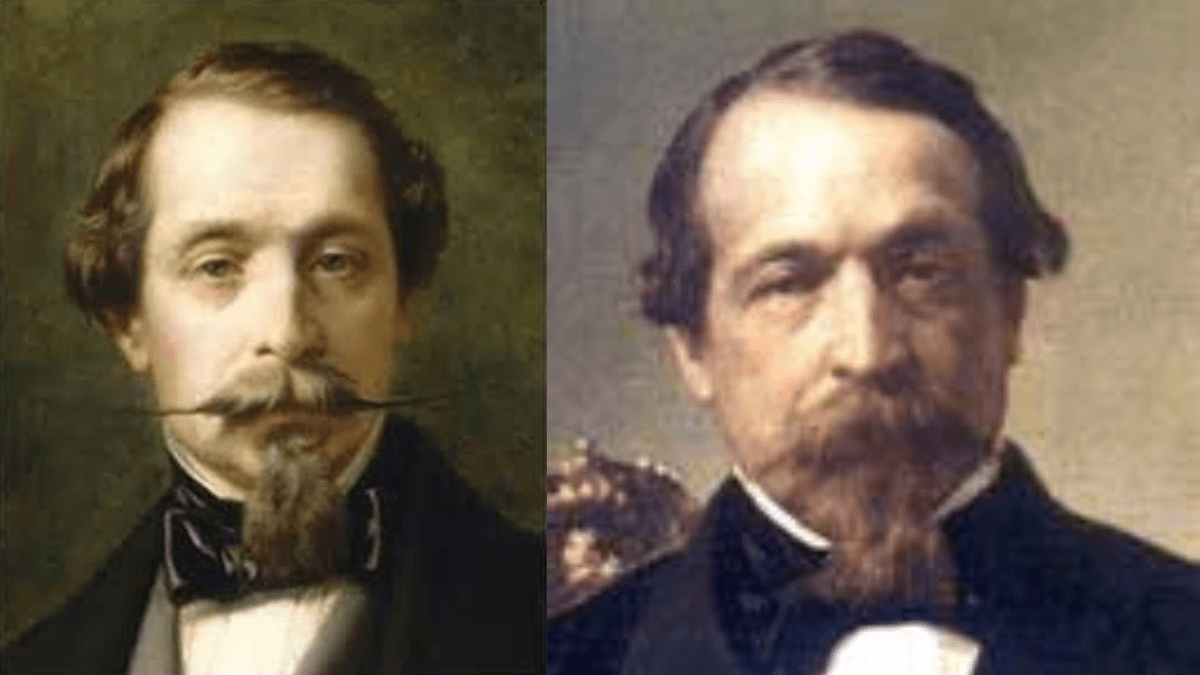
Looking closely at Alexandre Bure means looking beyond a historical character who stood at the center stage. Alexandre Louis Ernest Bure turned into born in Paris on 18 March 1845, notwithstanding the reality that some documents supply 19 March. His life commenced at some point of the Second Empire, a duration fashioned by using energy, Napoleon, Josephine, and the Bonaparte dynasty. I find his tale thrilling because he became near an imperial global but remained partially hidden from it, almost like a tiny river going for walks through a mind-blowing property.
His own family tree protected a well-known father, a tough mom, and an adopted surname, developing an unusual hyperlink with the French Emperor and the broader Bonaparte circle of relatives. His father changed into Napoleon III, whilst his mom, Éléonore Vergeot, changed into a domestic servant who took a key role within the imperial drama backstage. Officially, Alexandre changed into no longer an imperial youngster,
yet he remained close to the emperor and the world around him. That ambiguity shaped the contrast between affluence and distance in his family and personal story. From my perspective, this makes Alexandre Bure less about standing in the footlights and more about living near great power while being half hidden by it. His French identity, birth, father, mother, surname, and connection to the Emperor all place him within a complicated dynasty and a remarkable historical setting.
Alexandre Bure’s Family, Adoption, and Bonaparte Connections
What stands out to me about Alexandre Bure is how his family story developed through both blood ties and careful family arrangements. In 1858, his mother Éléonore Vergeot married Pierre Bure, who was not only her husband but also a foster brother and business manager to Louis Napoleon before the empire. Through this connection, Alexandre and his brother Eugène received the Bure name through adoption and moved from the margins into a formal household.
Pierre Bure later served as treasurer-general to the crown, bringing him close to imperial finance. Éléonore and Pierre also had a biological son, Jean Bure, adding another layer to a family shaped by politics, affection, strategy, and complexity. Looking at this family portrait, the story feels less like a simple household and more like a carefully connected name, household, finance, crown, and biological relationship.
The wider family makes the story even more connected to the Bonaparte line. Eugène Bure, Alexandre’s brother, became count of Orx and followed a diplomatic career, making the brothers seem like twin threads in the same imperial fabric, with one connected to finance and status and the other to diplomacy and titles. Their grandparents were Louis Bonaparte and Hortense de Beauharnais while their fantastic-grandparents were Carlo Buonaparte, Letizia Ramolino, Alexandre de Beauharnais and Joséphine de Beauharnais.
These names locate the own family deeply within European records, and the family bushes can sense like a cathedral of names, filled with arches, statues, and hidden chapels. Mathilde de Morny and Louise Le Hon have been many of the famous cousins and associated figures determined in genealogical records. In this setting, kinship involved more than blood. It also carried inheritance, reputation, and Bonapartist memory, connecting family, imperial history, names, cousins, grandparents, and titles across generations.
| Category | Details |
| Full Name | Alexandre Louis Ernest Bure |
| Known As | Alexandre Bure |
| Born | 18 March 1845 |
| Birthplace | Paris, France |
| Father | Napoleon III |
| Mother | Éléonore Vergeot |
| Adoptive Family Name | Bure |
| Adoptive Father Figure | Pierre Bure |
| Brother | Eugène Bure |
| Education | Collège Sainte-Barbe |
| Career | Financial official, administrator, military officer |
| Military Service | French expedition to Mexico |
| Notable Position | Receiver of finances |
| Title | Hereditary Count of Labenne |
| Title Granted | June 1870 |
| Wife | Marie-Henriette Paradis |
| Marriage Date | 12 March 1879 |
| Child | Georges Henri Louis Bure de Labenne |
| Residence | Paimpol, France |
| Home | Villa Labenne |
| Died | 11 February 1882 |
| Place of Death | Paris, France |
| Burial Connection | Brittany |
| Family Connection | Bonaparte dynasty |
| Historical Period | Second Empire |
Training, Service, and the Shape of a Career
When I look at Alexandre Bure’s career, it feels different from the path shown in many modern biographies. He did not turn out to be acknowledged through speeches, groups, or political campaigns. Instead, his paintings became in particular administrative and imperial, taking place within the back corridors of electricity rather than on a balcony within the sunlight. He studied at Collège Sainte-Barbe, an institution known for its scholarly lifestyle. On 21 April 1865, he entered the secretariat of the treasurer-trendy to the Crown, giving him an area in the equipment of the country, in which cash, manners,
and authority have been dealt with in quiet rooms. This education and early administration help explain the practical shape of his French imperial career. His path later moved into military service during the French expedition to Mexico, an imperial campaign that became one of the era’s major imperial adventures. For Alexandre, it appears to have been both duty and a detour. He married in Puebla, Mexico, although the identity of his first wife remains obscure in the material reviewed.
He later left the army and returned to France in late 1869. With the emperor’s support, he was appointed receiver of finances. In June 1870 he became the count of Labenne earning a formal spot in the noble world of the Second Empire.. Soon after the empire fell apart and the old order disappeared. The title became a witness to that lost time. Describing Alexandre as the Frenchman to receive a noble title before the fall of the Second Empire shows how his rise happened just before the final curtain closed on nobility and imperial rule.
Marriage, Home, and the Family Life That Followed
The later part of Alexandre Bure’s latter life took a quieter direction through his second marriage and calm household life. He married Marie-Henriette Paradis on March 12, 1879; she was born in 1857 and was an heiress to the fortune of banker Jean-Baptiste Paradis. Their marriage brought together imperial blood, financial capital, wealth, and regional existence, creating a family shaped by fortune, lineage, and capital. They had one child, Georges Henri Louis Bure de Labenne, who was born in 1880 but was dying young in 1884.
That short life gave the family a feeling of fragility so that birth and death were like ceremonies, in the family story. After the marriage the family moved to Paimpol and the family’s house, Villa Labenne joined the landscape. The story of Villa Labenne also shows how family spaces can continue beyond their original owners. The building later became a gendarmerie and maritime museum, while the named home remained connected to local memories, weather, and local legend. At the same time, Alexandre’s life included practical business challenges.
Alexandre and Charles Tellier collaborated on a fortune-funded industrial drying project supported by Marie-Henriette. The scheme failed after local opposition, and the enterprise eventually broke down. To me, this episode humanizes his story because titles, lineage, fortune, and wealth did not guarantee business success. His financial rise was gradual, while the industrial project stalled and finally broke, showing another side of family capital, regional business, drying, collaboration, and failure.
Conclusion
The story of Alexandre Bure becomes more personal when looking at his death and family identity. He died in Paris on 11 February 1882, while his son Georges later died in childhood. Alexandre’s remains were transferred to Brittany, linking his funeral, burial, and later burial details with changing geography and a continuing sense of home. His story is not a tale but something more delicate and real:
a Bonaparte descendant, son of Napoleon III adopted Bure, financial official, count, husband and father whose life was in, between a dynasty and everyday life. That mix makes his history especially interesting because family, identity, title, marriage, parenthood, financial service, official duties, imperial connections, lineage and legacy all come together in one life.
FAQS
Who turns out to be Alexandre Bure?
Alexandre Bure ends up a French financial expert and is connected to the Bonaparte circle of relatives. He became the son of Napoleon III and Éléonore Vergeot.
When was Alexandre Bure born?
Alexandre Bure was born in Paris on 18 March 1845. Some information supplies his start date as 19 March 1845.
Who turned into Alexandre Bure’s father?
His father had become Napoleon III, the French Emperor.
Who changed into Alexandre Bure’s mom?
His mom was Éléonore Vergeot, who later married Pierre Bure.
Why turn out to be Alexandre Bure referred to as Bure?
Alexandre received the Bure surname after his mother married Pierre Bure, who has become his adoptive father figure.
Who modified into Alexandre Bure’s brother?
His brother changed into Eugène Bure, who later became Count of Orx and pursued a diplomatic profession.
Who came to be Alexandre Bure’s spouse?
Alexandre married Marie-Henriette Paradis on March 12, 1879. She modified into the daughter of banker Jean-Baptiste Paradis and an heiress.
Did Alexandre Bure have children?
Yes. He had a son named Georges Henri Louis Bure de Labenne, who was born in 1880 and died in 1884.
When did Alexandre Bure die?
Alexandre Bure died in Paris on eleven February 1882.
What turned into Alexandre Bure’s name?
He had become the hereditary Count of Labenne in June 1870, faster in advance than the autumn of the Second Empire.
