

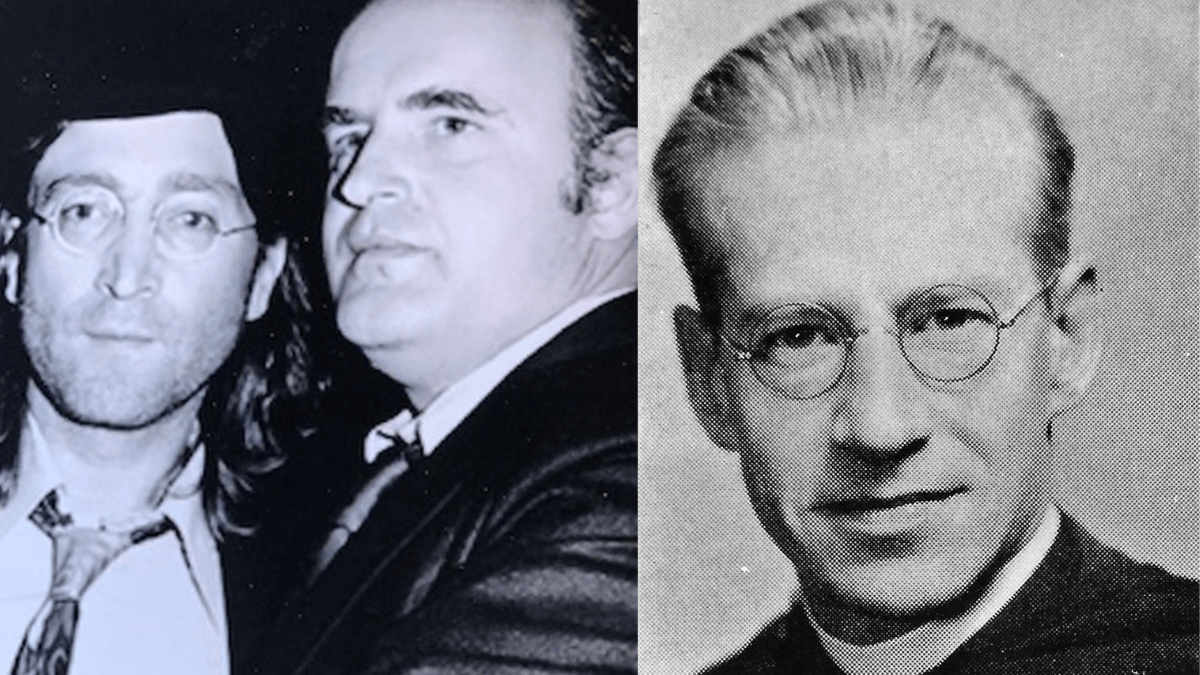
When I look at the early story connected with Francis Xavier Boyle, I find that his background was shaped by a working Philadelphia area in Pennsylvania, where Frank Boyle was born in 1903 to William Boyle Sr. and Elizabeth Marie Rodgers Boyle. Growing up in an immigrant family with few assets the young man developed immigrant grit and an eager wit. After the mother died in 1925 that loss of life appeared to have reinforced the man’s warmth and perseverance.
and feel of public pleasure closer to others. His schooling at the Pennsylvania Academy of Fine Arts became a second domestic, in which he evolved his craft and discovered a creative accomplice. His Cresson scholarships took him to Paris, where visits to museums helped him understand how to show mild in line. There, he met Alice Villere Lewis, an artist who later became his wife. They married in 1926, sharing canvases, a busy household, and their creative life together.
Francis Xavier Boyle’s Art and Philadelphia Sketch Club Leadership
In looking at Boyle’s creative career, I find his work interesting because he moved easily between ink, brush, and speech, working as an Evening Bulletin cartoonist and a Philadelphia Electric Company advertising illustrator before the age of cameras and cables changed communication. His easel paintings included a portrait of clown Emmett Kelly, along with scenes of South Jersey marshes, fishing communities, and entertainers.
His connection with the Philadelphia Sketch Club began in 1937, and after a decade he became its president, bringing his loud clothing, louder laughing, and memorable animal impersonations into club life. His performance of Aristophanes in an amateur production also showed his theater skills. As president in 1949, he used humor when he joked about the Year of the Termites, giving his leadership a lively and personal character.
| Bio Detail | Information |
| Full Name | Francis Xavier Boyle |
| Also Known As | Frank Boyle, Uncle Pete |
| Born | 1903 |
| Birthplace | Philadelphia, Pennsylvania |
| Profession | Artist, Cartoonist, Illustrator, Television Personality |
| Education | Pennsylvania Academy of Fine Arts |
| Art Training | Cresson scholarships, Paris |
| Wife | Alice Villere Lewis |
| Marriage Year | 1926 |
| Major Club | Philadelphia Sketch Club |
| Club President | 1947–1949 period |
| Television Career | 1947–1963 |
| Known TV Character | Chuck Wagon Pete, Pete the Policeman |
| Notable Program | Chalk Talk |
| Son | Peter Lawrence Boyle |
| Other Family | Alice, Sidney Francis |
| Left Philadelphia | 1967 |
| Age When He Left | 64 |
| Legacy | Philadelphia artist, television performer, and Sketch Club leader |
From Easel to Airwaves: The TV Years 1947-1963
By 1949, Boyle had already shown how well his art could move from the easel into Television and cinemas. His work began in 1947 with a WPTZ cooking feature that became Chalk Talk, where he sketched while speaking, making viewers feel like friends gathered around a table. The same easy style appeared with Chuck Wagon Pete, which brought western lore and childlike joy to audiences. His flashy, handcrafted TV style mixed cartoons, quips, and a quick hand that could create a knight on horseback from chalk dust.
During the 1950s, his growing calendar included Noontime Comics, Lunch with Uncle Pete, C’mon to Uncle Pete’s, and Six Gun Cinema. He also took over Deadline for Dinner in 1951, appearing seven days a week by 1953, while Snooper became a memorable sidekick in the household. Sylvan Seal Milk and Acme Markets sponsored the show’s lighting. Beyond Channel 3, Boyle expanded his work with Fun House in 1955,
then moved to WVUE Channel 12 for Surprise Shop and other noontime shows in 1957 and 1958. He later joined WFIL Channel 6 as Sheriff Smith’s sidekick in 1960 and played Pete the Policeman on Kovacs on the Corner with Ernie Kovacs, using a beat cop smirk to mock authority. In 1958 and 1959, he also told stories on WHAT-FM, helping keep mental theater alive as TV continued to spread. His final regular television job ended in 1963 when Lunch with Uncle Pete ended.
Family and Personal Bonds
When I look at Boyle’s Family life, the connection between Alice, their house, and his studios stands out because their home was filled with paint-splattered smocks and children’s babble. The family moved from 2122 Pine Street in Philadelphia to a house in Berks County. Their daughter Alice spent her years in Conshohocken while their son Sidney Francis stayed in Philadelphia. Their youngest, born in 1935 was Peter Lawrence Boyle.
Peter learned stage presence and timing from his father before Peter built a career in Hollywood. Peter carried the warmth and skill he had seen in the local studio, later appearing in Young Frankenstein and Everybody Loves Raymond. His 1977 marriage to writer Loraine Alterman expanded the family’s entertainment circle, while their daughters, Lucy and Amy, kept their profiles discreet, creating a contrast with Uncle Pete’s more public legacy.
Style, Craft, and Community
What stands out to me about Boyle is how naturally he combined speed, humor, and care in his daily work. On live TV, he could work fast in the air, turning chalk into a cartoon procession of knights, cowboys, and circus oddballs within seconds. Away from the broadcast he went to schools and hospitals using his sketches to calm people and bring them joy. His fellow performers thought of him as a fun and professional person.
Colleagues, like Joe Earley called him a man because of his kindness and dedication. He never looked for trouble. Instead he wore shirts, told jokes and helped keep local television running smoothly through long tough days with a smile. Grocery sponsors and art sales supported his middle-class lifestyle, while his public record was not centered on scandals or public outrages.
Conclusion
For many Philadelphians, memories of Francis Xavier Boyle bring back simple moments of lunch, laughing, chalk dust, and a friendly host who seemed to look through the camera and into the kitchen. His career connected art and transmission, moving from canvas to cathode ray while his Sketch Club leadership, work among artists, and public presentations helped make him a regional favorite.
Over time, his place among the local television pioneers has become part of his legacy. Boyle also carried his creative spirit through his son, whose family charisma reached a national audience. His live, artisanal and intimate TV style gave the city a television voice before he left in 1967 at 64 leaving behind a personal record built around creativity, community and connection.
FAQS
Who became Francis Xavier Boyle?
Francis Xavier Boyle changed into an artist, cartoonist, illustrator, and television persona associated with Philadelphia.
What has Boyle become recognised for?
He became acknowledged for combining drawing, humor, and tv overall performance in neighborhood applications.
When did Francis Xavier Boyle start working in tv?
Boyle started his tv profession in 1947 with a cooking feature on WPTZ.
What turned into Chalk Talk?
Chalk Talk became a TV function where Boyle sketched whilst speaking to viewers.
Which television individual turned into Boyle regarded for?
He became known for characters including Chuck Wagon Pete and Pete the Policeman.
When did Boyle go away to Philadelphia?
Francis Xavier Boyle left the city in 1967 at the age of sixty four.
